
Structural Drying & Dehumidification in West Vancouver
West Vancouver millwork stays wet behind a fine finish, so daily pins on the woodwork and the framing beside it close the grain log.
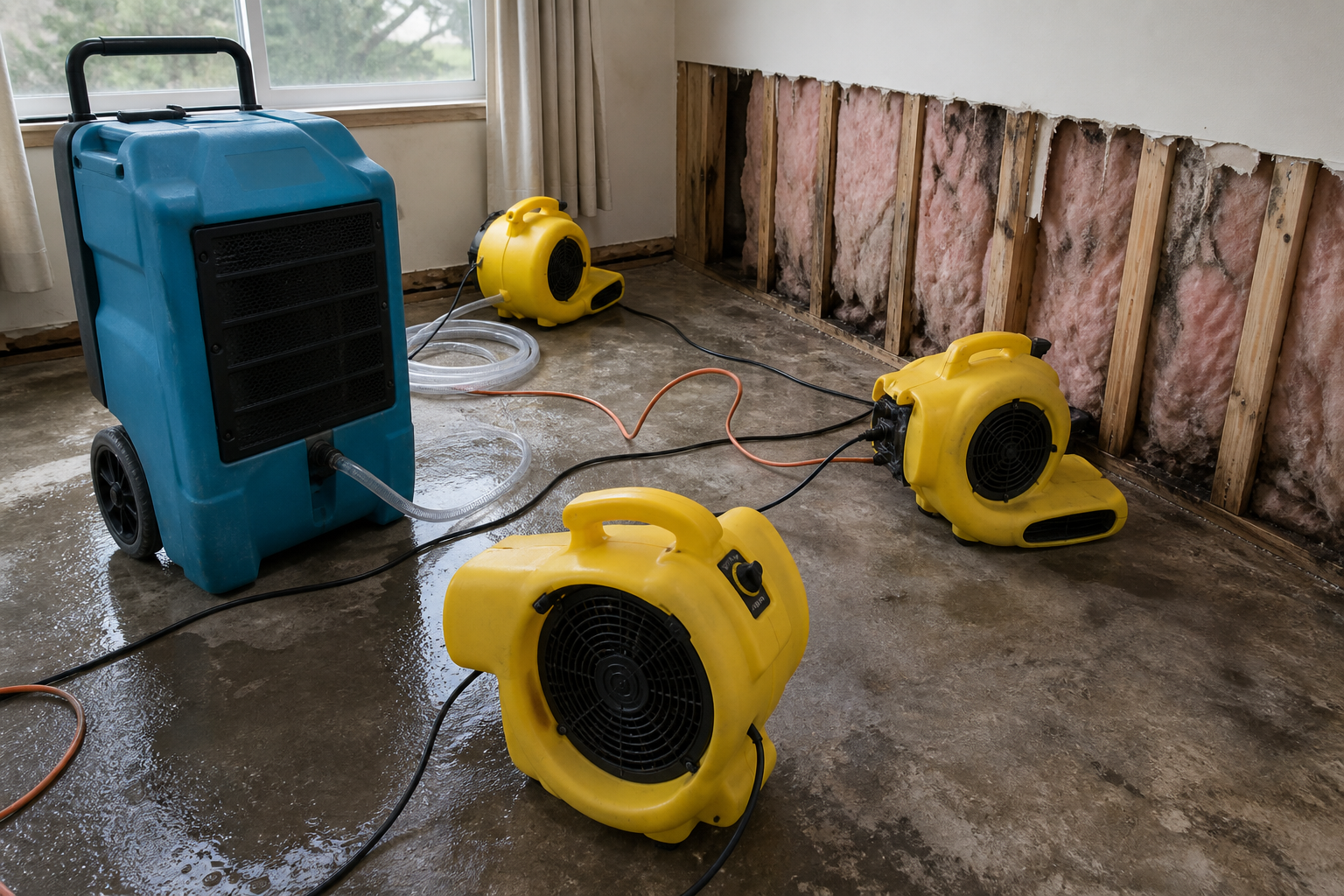
Ambleside millwork stays wet behind a finish that still looks fine. Dundarave and the British Properties lower levels are built into the slope, with built-in wood over the uphill wall. Cracking a window does nothing for that cavity. We'll meter the millwork and we'll meter the framing behind it. If the wall is wet, the woodwork comes off so air movers can reach the cavity, and an LGR runs until the grains drop.
Caulfeild, Sentinel Hill, and Horseshoe Bay houses hide the same moisture behind finished lowers and mechanical rooms. Daily pins in the wood and a pinless pass on the concrete go on the grain log with inlet and outlet grains. Fir and built-in stock cup if the room runs hot while the air stays humid. The LGR has to produce grain depression. Wood closes near a dry standard. The wall behind the millwork has to agree, and both readings have to hold overnight.
Ambleside built-in millwork metered on the grain log
Ambleside built-ins hide wet framing behind a finished face. We meter the woodwork and the wall behind it. A loaded cavity means the millwork comes off, air movers go in, and an LGR holds grain depression so the fir stays flat. Readings are daily.
The grain log carries millwork pins, framing pins, and grains in and out. Each wood line should close within a few points of dry stock in that house and hold overnight. A high cavity pin keeps the machines in place. Heat stays modest while the depression works.
British Properties lower levels logged in the grain log
British Properties lower levels sit in the slope with a cool uphill wall behind the finish. Sentinel Hill repeats that chill. We open the wet wall, aim movers into the cavity, and meter the plate while an LGR pulls the grains down.
The grain log takes plate pins, a pinless line on the wall, and the depression each morning. Wood nears a dry standard and holds overnight. Concrete has to stop leading the room and hold a day. Millwork goes back after those lines agree. Same spots, same meter, every day.
Dundarave wall cavities pinned for the daily grain log
Dundarave cavities stay wet on the uphill side of finished lowers. Horseshoe Bay wind wets top plates and sheathing higher up. We pin those members and the basement plate, with air movers on the high spots and an LGR holding grain depression.
The grain log keeps those spots separate. A top plate, a stud, and a bottom plate can read three different ways. Each closes near dry wood from the house and holds overnight. Grains in and out sit on the sheet so the depression is part of the same decision.
Caulfeild wood and plaster checked on the grain log
Caulfeild lower levels mix plaster and built-in wood, and both can be wet. We pin the lath or the studs, and we pin the millwork. Air movers go in the cavity. The LGR supplies grain depression so the fir stays flat.
Daily pairs of readings fill the grain log. Lath should fall toward unaffected lath in the house. Millwork should fall toward a dry sample and hold overnight. Grains stay on the sheet beside them. A paint-face pin misses the water still in the lath. We keep the machines through that night.
Questions about structural drying & dehumidification in West Vancouver
Why meter Ambleside millwork and the wall behind it?
+
How do British Properties lower levels get a dry standard?
+
What do you pin when Horseshoe Bay wind wets a top plate?
+
Other restoration work in West Vancouver
Structural Drying & Dehumidification in nearby cities
Get an Assessment
Tell us what happened in West Vancouverand we'll get back to you.
On this page
Structural Drying & Dehumidification written for West Vancouver houses, including Ambleside, Dundarave, British Properties.
All structural drying & dehumidification details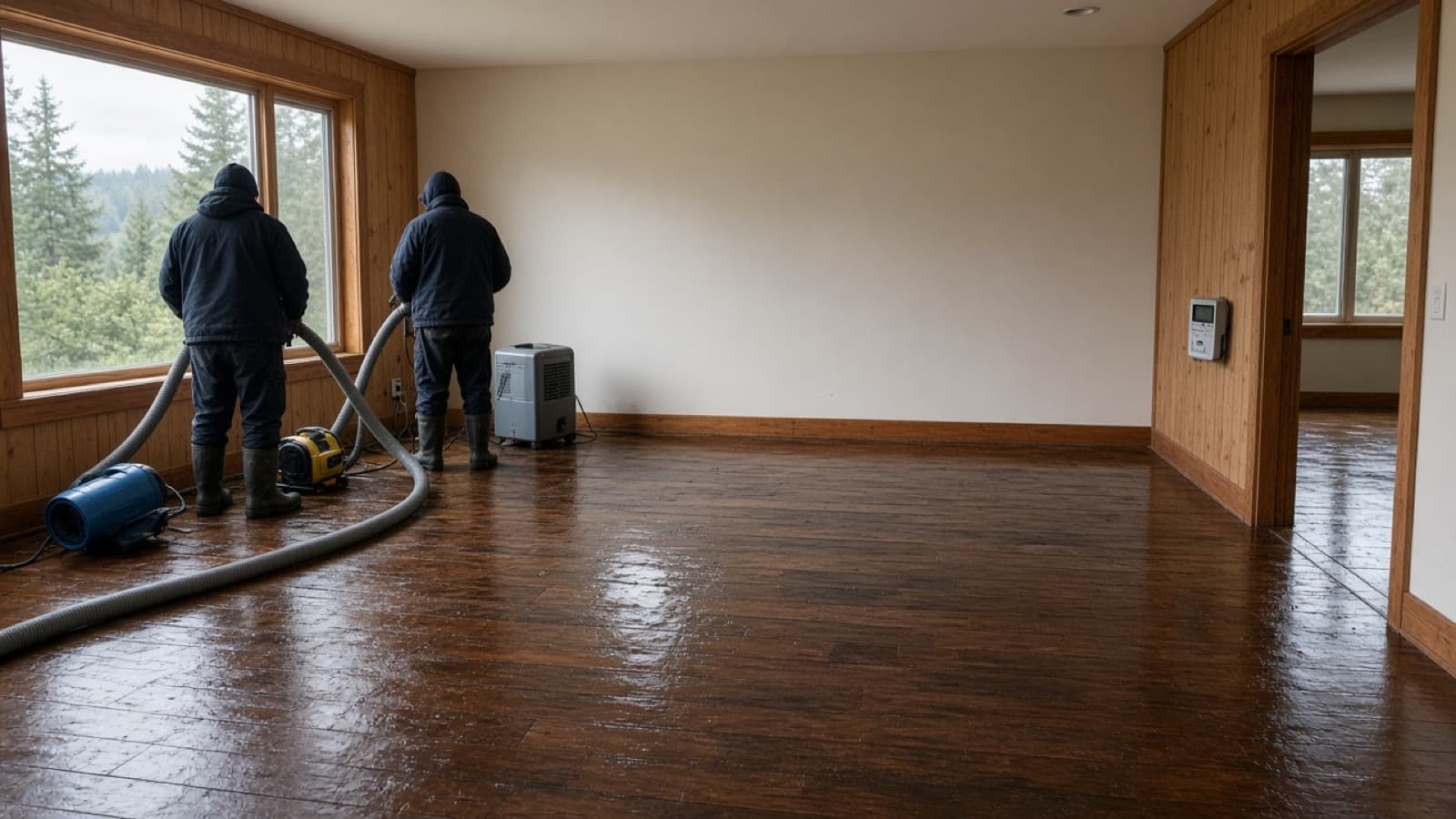
Ready to Restore Your Property?
Burnaby's Water Damage Restoration
Specialists Are Standing By
Whether you're dealing with a flooded basement, a burst pipe, storm damage, or the aftermath of a sewage backup — our Burnaby restoration company is here to help. Call now to get an assessment and same-day emergency response.
IICRC Certified · Licensed & Insured · Serving Burnaby, BC and all of Metro Vancouver