
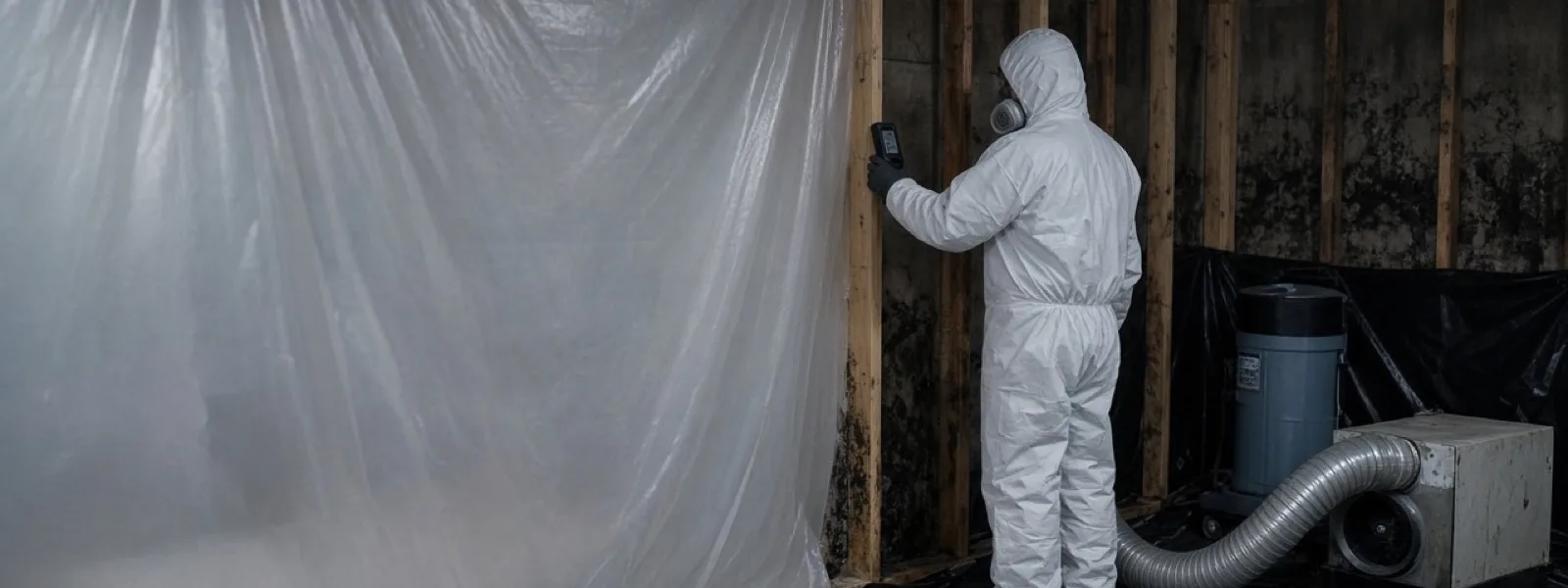
Mold Remediation in New Westminster
New Westminster mold hides in damp plaster lath and on hill sill plates when a long winter of moisture never really leaves that wall.
Plaster in Queens Park can stay damp across a second winter, and the mold is on the lath side where paint looks only a little tired. Sapperton houses with the same walls do this after a slow leak or a wet basement season. You smell it when the heat comes on. Bleach on the face wets the plaster and doesn't touch the back. Glenbrooke follows that plaster pattern where the hill houses still have lath.
Sill plates on the hill take window-well water and stay wet at the bottom of the wall. The West End adds older basement damp and a floor drain that surcharges. Uptown is the stack version, a leak from another suite wetting a party wall or a ceiling cavity. Fogging a character house spreads smell and misses the moisture. It isn't a fog job. We contain, remove what is colonized, dry the cavity, and stop the path that would bring mold back.
Queens Park plaster stays damp as a winter return path
Queens Park plaster holds water in the lath through a second winter if the first leak was never dried. The face looks dull. The growth sits behind the paint. A bath above or a chimney leak is the usual feed, and heat only makes it obvious.
We contain the room, take off the colonized wet plaster, and dry the lath before any repair. Sound plaster stays. Fogging the parlour drives dust and doesn't dry the keys. If that leak is still wetting the bay, the return path is open and the mold comes back on the new coat.
Sapperton lath holds moisture through a second return path
Sapperton plaster takes a long damp, often from a basement drain or a bath leak that soaked the lath. One wet winter can start a colony on the back. A second winter without a real dry is how it spreads. The paint is the wrong face to judge.
A basement drain can add damp the same season, but the Sapperton job is the lath. We contain the dust, remove the colonized portion, and dry the bay. Fog doesn't reach the back of the plaster. Stop the leak or the drain, or that return path wets the repair.
Glenbrooke hill sill plates stay damp on a winter return path
Glenbrooke hill houses take water at the stair and the window well, and the sill plate stays wet after the floor looks dry. The West End's lower streets add an old floor drain, so the wall bottom has another way to stay damp. Mold on that plate means the moisture never left.
We open the lower wall under containment, remove colonized board or plaster, and dry the plate with air in the cavity. A fogger on the stair doesn't dry a sill. If the well or the drain still feeds that plate, the return path is the reason new drywall fails.
Uptown stack leaks wet the party wall return path again
Uptown stacks send water into the suite below or into a party wall, and the cavity stays wet after the drip is fixed. The ceiling paint gets a coat. The insulation above it doesn't. Mold returns in that bay because the moisture path was a plumbing stack, and nobody dried the void.
We contain the suite so a corridor doesn't share the dust, remove colonized board, and dry the cavity. Fogging the living room perfumes the unit and leaves the bay wet. If the stack is still leaking, that return path fills the wall again. The wet suite and the source both matter.
Questions about mold remediation in New Westminster
Can Queens Park plaster stay if we can see mold?
+
The West End sill looks stained again. Is that the hill?
+
An Uptown stack leak was fixed. Why does the wall still smell?
+
Other restoration work in New Westminster
Mold Remediation in nearby cities
Get an Assessment
Tell us what happened in New Westminsterand we'll get back to you.
On this page
Mold Remediation written for New Westminster houses, including Queens Park, Sapperton, Glenbrooke.
All mold remediation details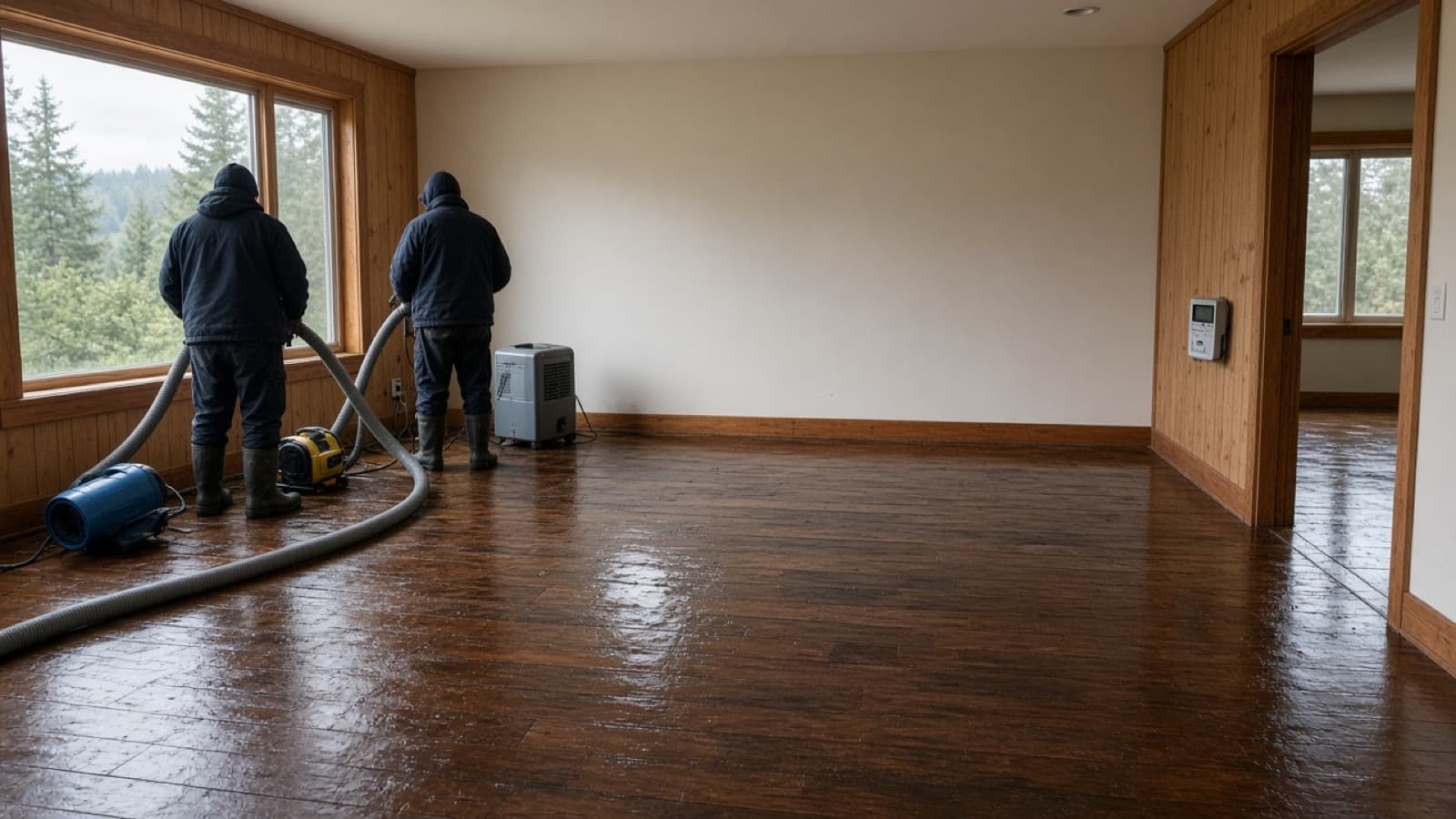
Ready to Restore Your Property?
Burnaby's Water Damage Restoration
Specialists Are Standing By
Whether you're dealing with a flooded basement, a burst pipe, storm damage, or the aftermath of a sewage backup — our Burnaby restoration company is here to help. Call now to get an assessment and same-day emergency response.
IICRC Certified · Licensed & Insured · Serving Burnaby, BC and all of Metro Vancouver